If you aren’t paying for it, someone else is: Overconsumption in fast fashion
The fashion world giants
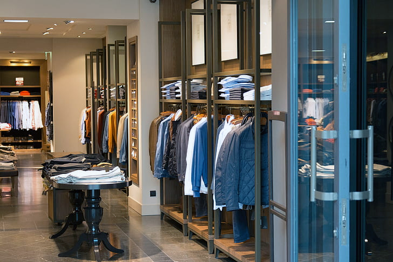
New Yorker, H&M, Zara, Primark and Gina Tricot are all retailers that have made it big in the 2000s, and have completely changed the way we as customers view fashion and apparel. Nowadays you can walk into any store, and the options are truly endless. Tens and tens of print T-shirts, trending bubble skirts, and stone washed flared denim. I mean, where is the problem? People are having easier access to clothing and accessories, and at the same time they are becoming globally all more affordable. Am I saying that having a good sense of fashion and being stylish is a crime? Absolutely not. I myself love dressing up in clothes that make me feel confident, and I adore seeing other people express themselves with all kinds of clothing. The problem lies in the production of the garments. In this article, we are taking a deep-dive into what it takes to put together a piece of mass-retailed apparel.
Majority of our clothes are being produced in Asia, and most of them are made of only synthetic materials
To exist, every clothing needs a material of which it can be made of. Before the 2000s many clothes were made out of natural fibers, such as cotton, silk, wool, linen and cashmere. After the 90s, the production lines of big clothing brands moved from the USA, to countries in Asia, such as India, China, and Bangladesh. The big move from Western-country based production to Asian-country based production was caused by the rising demand of customers, who wanted to buy more. Since it was a lot easier to move the production line to countries that have a lower average pay for clothing-line workers, than it was to employ more people and give them proper pay in the USA, that’s what the vast majority of the entreprises did. After a while, not only did they realize that the labour force was cheaper in Asia, but they also realized that they could cut costs in the materials of the clothing too.
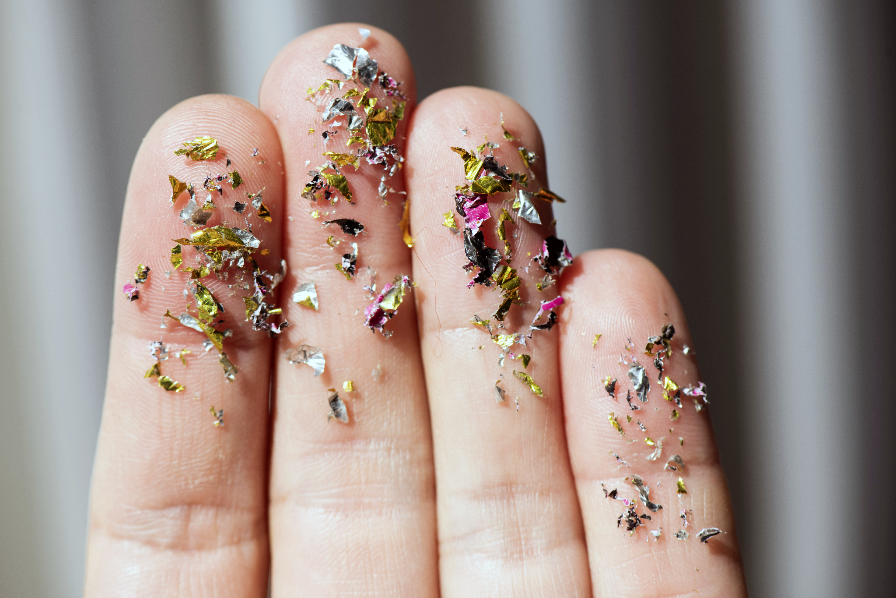
Nowadays our clothes are mainly made of synthetic fibers. The main difference between natural fibers and synthetic fibers is that natural fibers decompose and biodegrade at the latest in five years, whereas synthetic fibers take at least 20 years to do so. And even though you might think 20 years isn’t that bad, it is not only about the time, but also about how they break down in nature. Natural fibers turn into organic matter such as carbon dioxide and nutrients that enrich the soil, whereas synthetic materials turn into microplastics, and after that nanoplastics, because they never truly biodegrade. These micro- and nanoplastics end up in the water we drink, the food we eat and the goods that we consume. Did you know that the average person wears a piece of clothing around 7 to 10 times before discarding it? At the same time, the average person living in Europe buys around 46 pieces of clothing a year. In the United States of America, the digit is as high as 53 to 68 pieces of new garments a year.
Who is making your clothes?
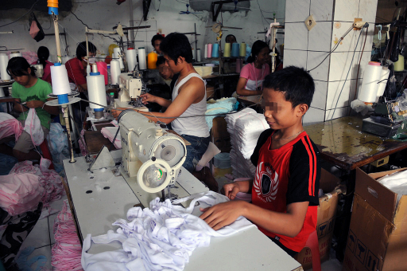
We are privileged to be living in the Western countries, and usually prefer to turn our back to the harsh truths of what it takes to maintain our consumption habits. In the Economics Observetory article What is happening in Bangladesh’s garment industry? 26 Mar 2025, written by Dina M Siddqi they state that the wages of Bangladeshi clothing workers are one of the world’s lowest. The minimum monthly wage currently stands at about 12,500 taka, which is around 87 euros. The length of the working weeks is also inhumane and brutal. An article from Mictorfinance Opportunities states that the Bangladeshi government increased the legal workweek for garment workers from 60 hours to 72 hours a week. You don’t have to be superhuman to understand, that the situation is deeply unjust and disturbing. Under the Bangladesh Labour Act of 2006, it is said that employment is strictly prohibited for children under 14 years of age. Even though most Asian countries such as India, China, and Indonesia prohibit child labour, it isn’t uncommon to see children younger than 14 working in these clothing factories.
How can we as consumers make the situation better?
The reality of the clothing industry at the moment might look grim and hopeless, but we shouldnt throw in the sponge just because the situation is hard and uncomfortable to accept. There is actually numerous ways for us to practise mindful consumerism, and thousands of great options of how we can make more responsible decisions. Am I saying that we all have to turn into extreme minimalists and give up all of the synthetic fiber garments that we already own? No, of course not. Making more considerate choices for yourself and others doesn’t usually work like that. But also if you feel called to do so, I encourage you try it out.
In the rest of this article you’ll see five easy and low-effort ways on how you can be a part of the new wave that says “No thank you” to fast fashion and unfair working conditions, and “H*ll yes” to mindful consumerism and upcycling your used clothing.
1. Buy second hand
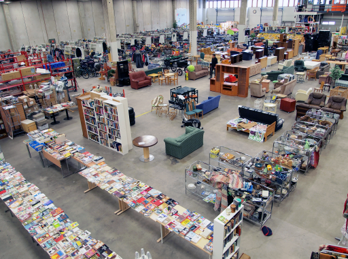
Buying secondhand has fortunately became more popular in the last five years, and there isn’t as much stigma around buying stuff that’s already been owned by somebody else before you. In the contrary to the past, buying fashionable and durable clothes from flea markets and reselling platforms has nowadays become quite cool and admirable. Asking someone where their outfit is from, and them telling you it’s all trifted, makes you want to go to a trift store rather than turn to an average fast fashion retailer. Buying things second hand also actively fights not only against the unfair system of the workers in fast fashion, but also slows down climate change and global warming. So next time you feel like you need a new piece of clothing: Check your local flea markets, Ask your friends if they have a spare one they don’t use, and do a throughout search on Vinted, Tise and Depop.
2. Think twice before buying new apparel
Let’s imagine a friend or a family member dragged you into a store you didn’t even initially want to go to. Now you’ve found the perfect piece of clothing you didn’t even know you needed. Maybe it matches perfectly with your jeans, goes beautifully with your sunglasses or would be a perfect fit for the houseparty your friend is throwing next weekend. on top of all that, it’s also on sale, 30% off. What a deal, you think to yourself as you start walking towards the checkout. This is the critical moment when you have to slow down. Take a few deep breaths, and maybe close your eyes for a moment. Before buying the garment, I want you to ask yourself these following questions:
- Do I actually want to buy this garment?
- Will I really use this, or am I purchasing a fantasy?
- Am I sure I can’t find anything like this second hand or pre-loved?
- Is this something I want to spend my hard earned money on?
If the answer to any of these questions is “No”, then you shouldn’t buy the garment. As easy as that. And again, you’ve made a more responsible decision while shopping.
3. Upcycle, recycle, resell and reuse
As I have already addressed it in this article, buying things new when there’s an option to buy it second hand, is something I deem irresponsible. When a button pops off your shirt, nowadays it might actually be cheaper and easier to just buy a whole new shirt. But if you aren’t paying the price, someone else is. Turning your ripped jeans into shorts, and the shorts later into scrunchie hairties, is the greatest definition of upcycling. Give your old T-shirts to your little sister, or a close friend. They might use it more than you do, and it’ll feel good seing someone use a piece of clothing you almost abandoned.
4. Buy items you know you’ll love for long
Buying new things is one thing, but buying things that actually matter to us in the long run is another. In the heat of the moment an impulse purchase might feel ecstatic, but when the dopamine high wears off, you are left with a garment you never actually even liked in the first place. Influencers, celebrities and other social media forces might drive us towards buying new things constantly, but we can make the conscious decision to opt out and say no to the temptation to constantly acquire new stuff. When purchasing something new, the question I always ask myself to find out whether I actually like the garment, or am just being influenced by outside forces, is this: Do I see myself wearing it in five years in time? If the answer is no, or if I hesitate even the slightest bit, I’ll leave the garment where I found it. In the store, unpurchased. It’s good to keep in mind that you won’t always make the right decision, and it takes time to build the courage to not buy things that are compelling in the moment. Eventually, it will become a lot easier and you will thank yourself for not buying a burden, and so will your wallet.
5. Check the tag
If you feel like the four previous pieces of advice were asking for too much, at least check the tag. The tag is the easiest way to get to know your clothing. From a tag you can see the country in which the apparel was made, the materials it is made of and the washing instructions to keep the garment in good condition for as long as possible. When you see synthetic materials or Asian countries, before buying the product, you must ask yourself, “What am I contributing to, by buying this product?” And just as an additional add, a new piece of clothing cannot cost 4 euros or less and be responsibly designed, produced, sewn together, shipped and sold.
If you aren’t paying the price, someone else is.
Written by: Minea Mahlamäki